
Published on 10/6/2026
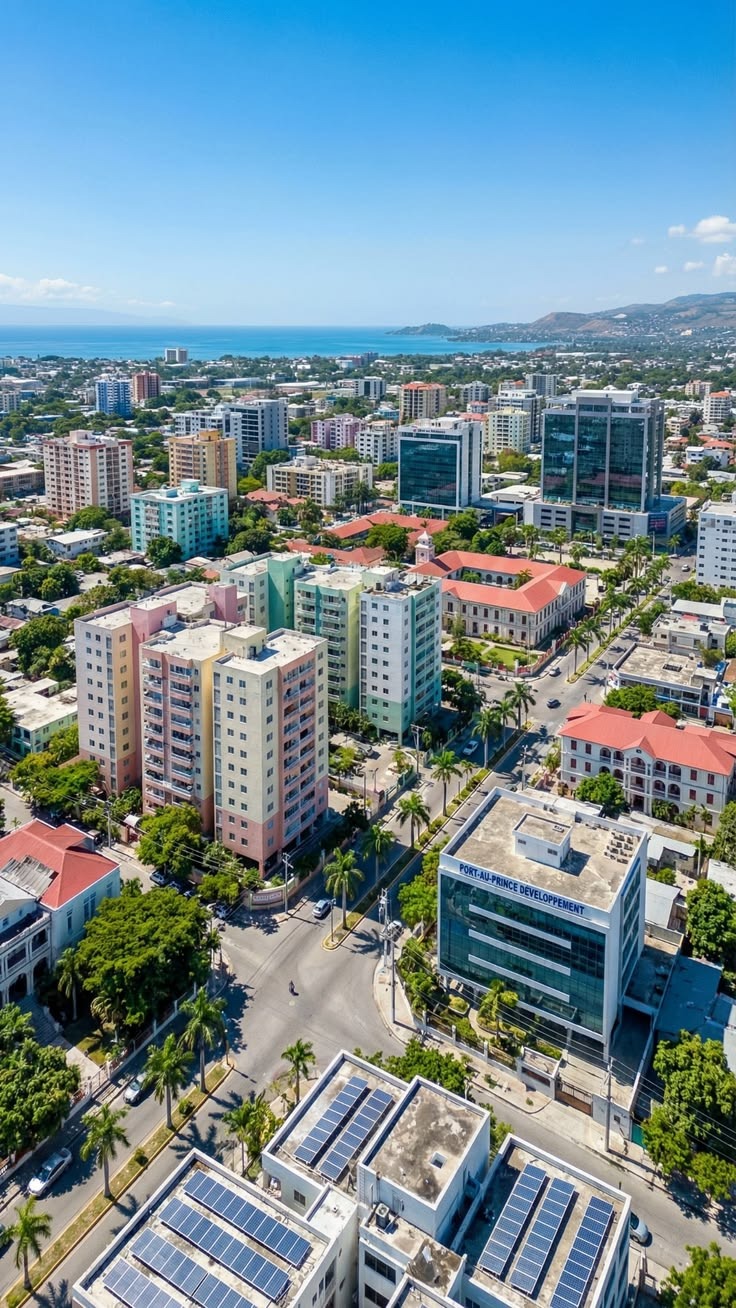
There is a land story unfolding in Abuja that has generated protest statements, ministerial confrontations, presidential directives and civic group ultimatums, and yet has received a fraction of the mainstream investment conversation it deserves. While buyers focus on growth corridors, yield projections and infrastructure timelines, the question of who actually controls land allocation in the Federal Capital Territory has become one of the most consequential variables in any Abuja property decision made in the past two years. At TheHouse48, this is not a political story. It is a property rights story, and every buyer with capital in or heading to Abuja needs to understand it precisely.
The Scale of What Has Already Happened
The sequence of events in Abuja's land administration since FCT Minister Nyesom Wike assumed office in August 2023 is documented and verifiable. On May 26, 2025, the FCTA took physical possession of 4,794 properties in central Abuja following revocations for unpaid ground rent, some defaulting as far back as 43 years. In December 2025, a further 1,095 property titles were revoked, covering 835 for ground rent arrears and 260 for land-use conversion fee violations. High-profile names appeared on the revocation lists, including former governor Ayodele Fayose and former House of Representatives member Patrick Obahiagbon, signalling that the enforcement action was not confined to minor or obscure holdings. The combined May and December 2025 revocations affected properties across Asokoro, Maitama, Garki, Wuse and other premium Abuja districts. These are not peripheral locations or disputed borderlands. They are the heart of Nigeria's capital real estate market.
The Allocation Controversy That Is Running Alongside the Revocations
While properties were being revoked from one set of owners, a parallel controversy was building around new land allocations. The Network of Abuja Left Groups formally called for protest on July 1, 2025, describing the minister's land allocations as unconscionable theft and noting that 3,822 hectares of land, approximately 0.52% of the entire FCT's 731,500 hectares, had been allocated to individuals described as friends, family, cronies and paying land speculators connected to the current administration. Critics and observers have asked whether the demolition exercises being conducted in the name of restoring Abuja's Master Plan will also cover developments on land whose conversion from green areas to property development was approved during the current minister's tenure. In July 2026, civic groups were still issuing demands and calling for further protests over what they described as the ongoing looting of Abuja lands. A video confrontation between Wike and an unidentified military officer over an alleged land-grabbing incident at Gaduwa District in November 2025 illustrated how deeply the allocation disputes had penetrated even within institutional structures. The officer asserted that everything was acquired legally. Wike's public challenge of that claim demonstrated that the question of what constitutes a legitimate Abuja land title has become genuinely contested at the highest levels of the FCT administration.
What This Means for Property Values and Buyer Confidence
The direct market impact of these events has been documented and is not speculative. Estate agents reported a 25 to 40% drop in inquiry volumes in central Abuja since the revocation lists were published in 2025, with several high-net-worth buyers pausing transactions entirely pending clarity on title security. Banks tightened mortgage approvals, now demanding fresh FCTA clearance letters and evidence of 2024 to 2025 ground rent receipts before advancing funds, a requirement that did not exist at this level of stringency before the revocation cycle began. The broader confidence impact is visible in the geographical distribution of active demand, with buyers increasingly concentrating on emerging satellite districts like Kuje, Katampe Extension and Dakibiyu rather than taking on the title verification complexity that premium central Abuja locations now require. Efab Properties, one of Abuja's most established developers, was as recently as July 2026 holding a press conference with civil society groups to publicly reaffirm ownership of a disputed land parcel and advising prospective investors to verify all relevant documentation before entering any transaction related to the property until ownership issues were fully resolved. That advisory from a major established developer is the clearest single signal of how seriously the land rights environment in Abuja has deteriorated.
The Flood Risk Dimension
The 2026 rainy season saw widespread flooding across Abuja, largely driven by allocating green areas and natural drainage corridors for development. Building over designated waterways leaves properties exposed to severe flooding alongside existing title and documentation risks.
What Buyers Must Do Before Committing Any Capital
The protection framework for Abuja buyers in 2026 requires more verification than at any previous point in the market's history. Title verification at AGIS before any payment is non-negotiable and must confirm not only that the title exists but that no revocation or pending enforcement action has been annotated against it. Ground rent payment history must be verified independently, with receipts covering at least 2024 and 2025 confirmed before any transaction proceeds. The zoning classification of the plot must be checked against the Abuja Master Plan and the FCTA's published Land Use and Purpose Clauses, because a plot whose zoning does not match the intended development use is exposed to the demolition enforcement that has already levelled structures across premium districts. An independent lawyer with no connection to the selling agent or the FCTA must conduct the full search and review all documentation before any commitment is made.
TheHouse48 believes that the Abuja land story is not a reason to avoid the market. It is a reason to enter it with significantly more preparation than the market previously required, and a reason to demand a level of title clarity from any seller that the previous environment allowed buyers to take for granted.
Sign up for our emails and be the first to know about special offers.
Sign In
Comments